
A grain with more than 5,000 years of history
Corn is genetic and cultural memory transformed into food. The oldest records of its wild variety, teosinte, date back about 5,550 years. Unlike its domesticated descendants, teosinte cannot reproduce on its own without human intervention, but in return it offers astonishing generosity: a single kernel can produce up to 300 new kernels.
That relationship of mutual dependence between corn and those who grow it is, perhaps, the first great lesson this ingredient teaches us: no food with a history grows on its own. Behind every ear of corn lie generations of hands and land.
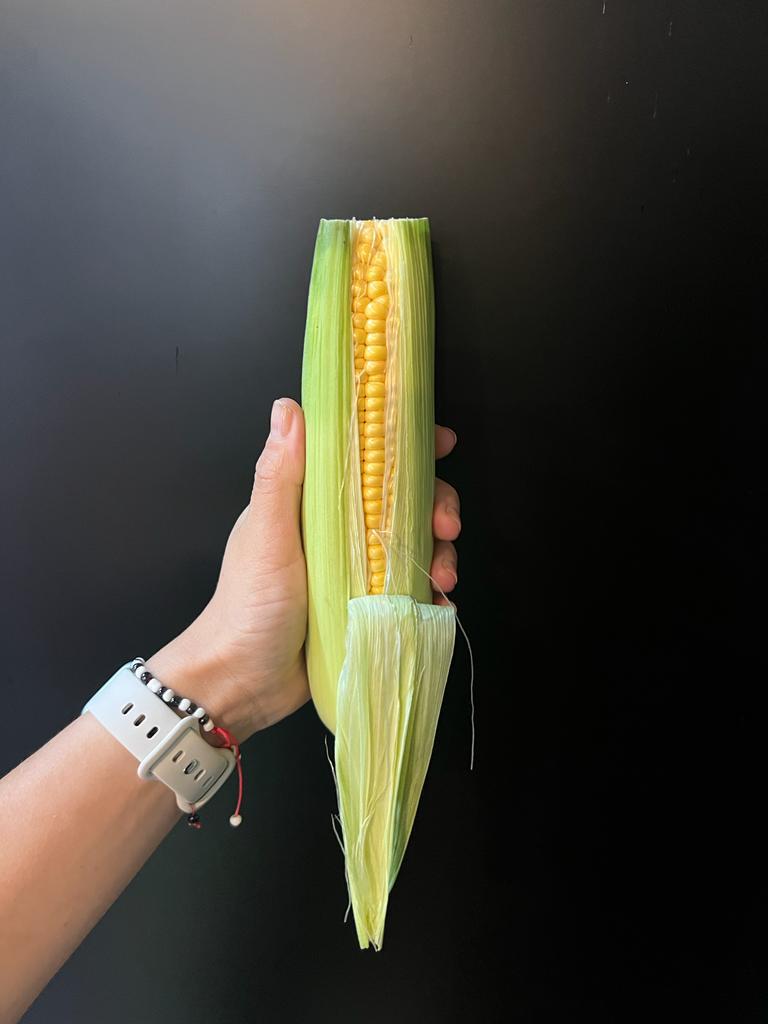
Nixtamalization: The Technique That Transformed Corn into a Nutritious Food
Harvesting and shelling the corn on the cob was just the first step; the real breakthrough came with nixtamalization, an ancient technique designed to get the most out of this product.
The process involves cooking the dried beans overnight over the heat of the stove in water mixed with lime. This seemingly simple method triggers crucial chemical processes:
- It makes it easier to grind the grains to make dough.
- It alters the nutritional properties of corn, unlocking its nutritional potential (such as niacin, which was previously not absorbable).
- It lays the foundation for all corn-based cuisine: tortillas, humitas, tamales, arepas, and much more.
The earliest documented references to this technique date back to Guatemala, approximately 3,000 years ago. In other words, long before restaurants even existed, people already possessed the collective wisdom to transform a grain into sustenance.
Corn Arrives in Argentina: From Mesoamerica to the Southern Cone
Corn spread southward long before the arrival of Europeans, following trade routes that crossed the central Andes. Its arrival in northwestern Argentina (the present-day provinces of Jujuy, Salta, and Catamarca) is archaeologically documented at sites such as Inca Cueva and Huachichocana in the Quebrada de Humahuaca, with evidence of cultivation dating back several millennia. There, maize became part of an already established agricultural system alongside potatoes, quinoa, and beans, within the agro-pottery cultures that preceded the Inca Empire and which the latter later fully integrated into its production and storage network (the well-known collcas, or grain storage facilities).
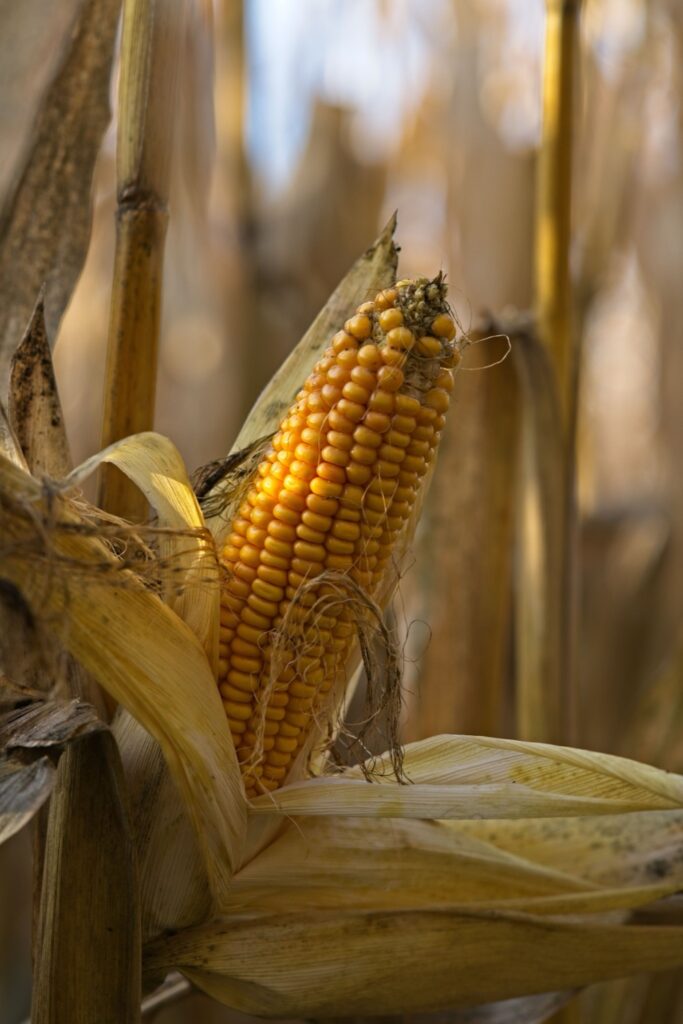
With the Spanish conquest, Native American corn was combined with new crops and techniques—such as wheat, cattle ranching, and the use of iron—giving rise to a Creole culinary tradition that lives on today: humita en chala, locro, mazamorra, and tamales. An indigenous ingredient that became the backbone of Argentine folk cuisine, from north to south.
The fields along the road to Río Cuarto
The second major chapter of this story unfolds centuries later, hundreds of kilometers south of the NOA: in the Pampa Húmeda, the fertile plain that stretches across Córdoba, Santa Fe, Buenos Aires, and La Pampa, and which made Argentina one of the world’s leading powers in corn production and export.
On that map, Córdoba is one of the provinces with the largest area under cultivation in the country, and Río Cuarto, in the southern part of the province, is part of what is known in the agricultural sector as the core corn-growing region: deep, stoneless black soil, first cultivated by Indigenous peoples and then, beginning in the late 19th century, by agricultural settlements of immigrants—many of them from Piedmont and Italy—who came to settle the region along the railroad lines.
Anyone traveling along that route will recognize the same landscape stretching to the horizon: farms that extend without any visible fences, the intense green of the plants in January, the yellow of the ripe corn on the cob in early March, the harvesters at work during the fall harvest, and an image that is very characteristic of the Argentine countryside: the silo bags—those large white sacks spread out on the ground where the freshly harvested grain is stored while awaiting transport. It is a land that breathes corn: in the work of the land, in the life of the towns, and in the economy of the agricultural cooperatives that have sustained the region for over a century.
That landscape is also a sensory memory: before becoming an ingredient in a dish, corn was the result of working the land and the landscape of a path traveled many times.
Esta es la primera parte de la historia del maíz en FIERRO. Continúa en El Maíz de FIERRO II: el cruce del Atlántico →